Hearing pebble order before you place
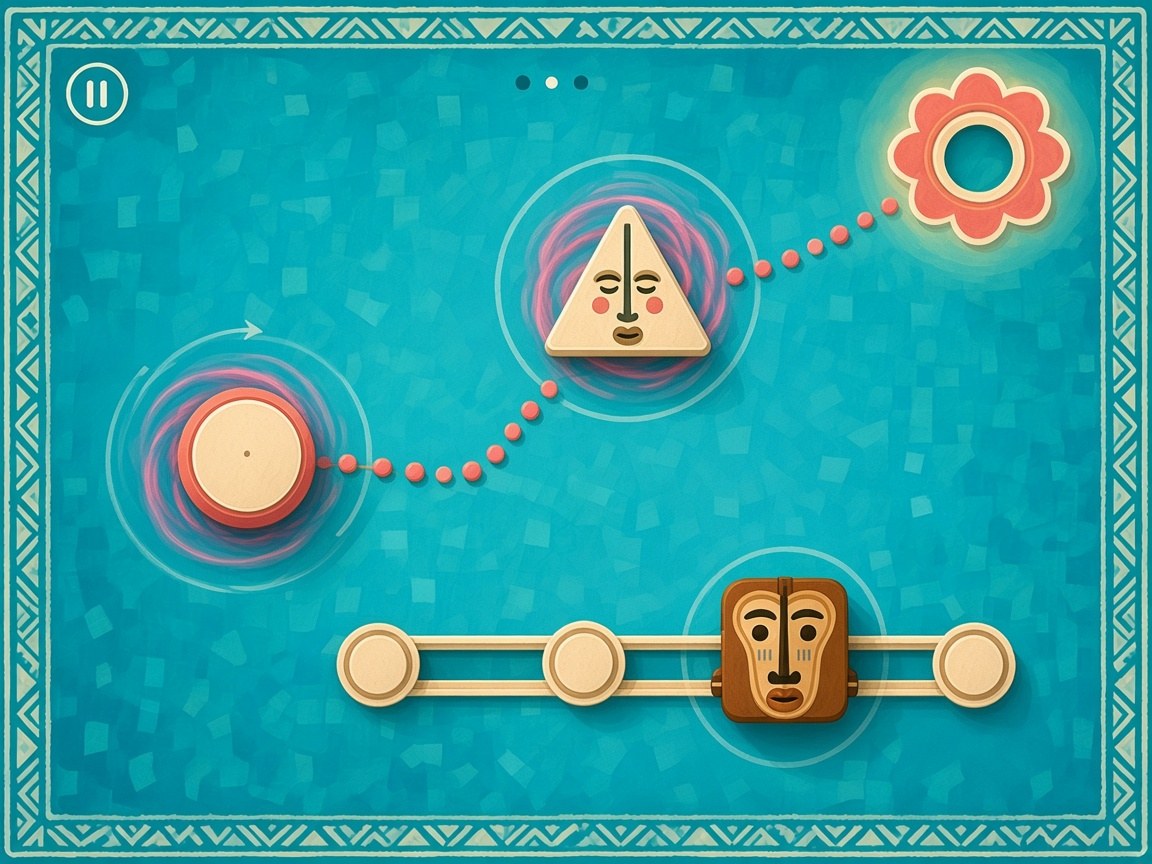
On ELOH boards, pebbles must speak in a sensible sequence before the phrase resolves. If you lock tone C before B, you may block the rhythm path that B needs—or leave a harmony ring waiting on the wrong side of the board.
Start by marking free tone stones on the board. Trace a single continuous phrase that covers every beat, then check whether any pebble must move mid-listen. If a later ring needs a different pitch, set that stone early rather than hoping to edit after playback.
Optional goals often reward fewer moves or a clean pass without extra swaps. Sketch the listen order on paper first: opening tone → nearest harmony ring → next pebble → remaining pads. When the board is tight, placing a flashy tone early can cost a path you need later—so count beats before committing.
Fan notes

Pebble timing Guide tip
Saving the farthest tone for last often keeps rhythm paths open on early boards—try that order before spending moves on a long reshuffle.
Reply
Harmony ring pacing Guide tip
Waking nearby harmony rings first can free resonance pads earlier, leaving the center clearer for the final phrase.
Reply
Rhythm path gates Guide tip
On denser boards, wait until the early combo opens the rhythm path, then place the remaining pebbles before overcomplicating the mix.
ReplyLeave a fan note
Guide topics
More guides

Tag Cloud
About this guide
Keep exploring Echo Pebbles for more level notes, walkthroughs, and pebble tips from this fan site.